
1
We find the restriction by feel.
For the scar tissue and adhesions that stretching and time alone never touch: stainless-steel instruments that find the restriction and break it down.
What It Is
When soft tissue heals rough, it lays down scar tissue and adhesions that bind the fibers together. Those restrictions limit how the tissue glides and leave you with pain that lingers for months: a tendon that won’t quiet down, an old injury that healed tight, a knot stretching never reaches.
Graston Technique is instrument-assisted soft-tissue mobilization. Your therapist runs specially designed stainless-steel instruments along the area, and the tools catch and resonate on the exact spots where tissue is bound down. Once we find the restriction, we break it down to restore normal glide and blood flow so the tissue can finally heal.
This is where the instruments beat hands alone. Fingers can miss a deep adhesion or lose track of it under pressure. The tools feel what hands can miss, so we treat the actual restriction instead of the general soreness around it.
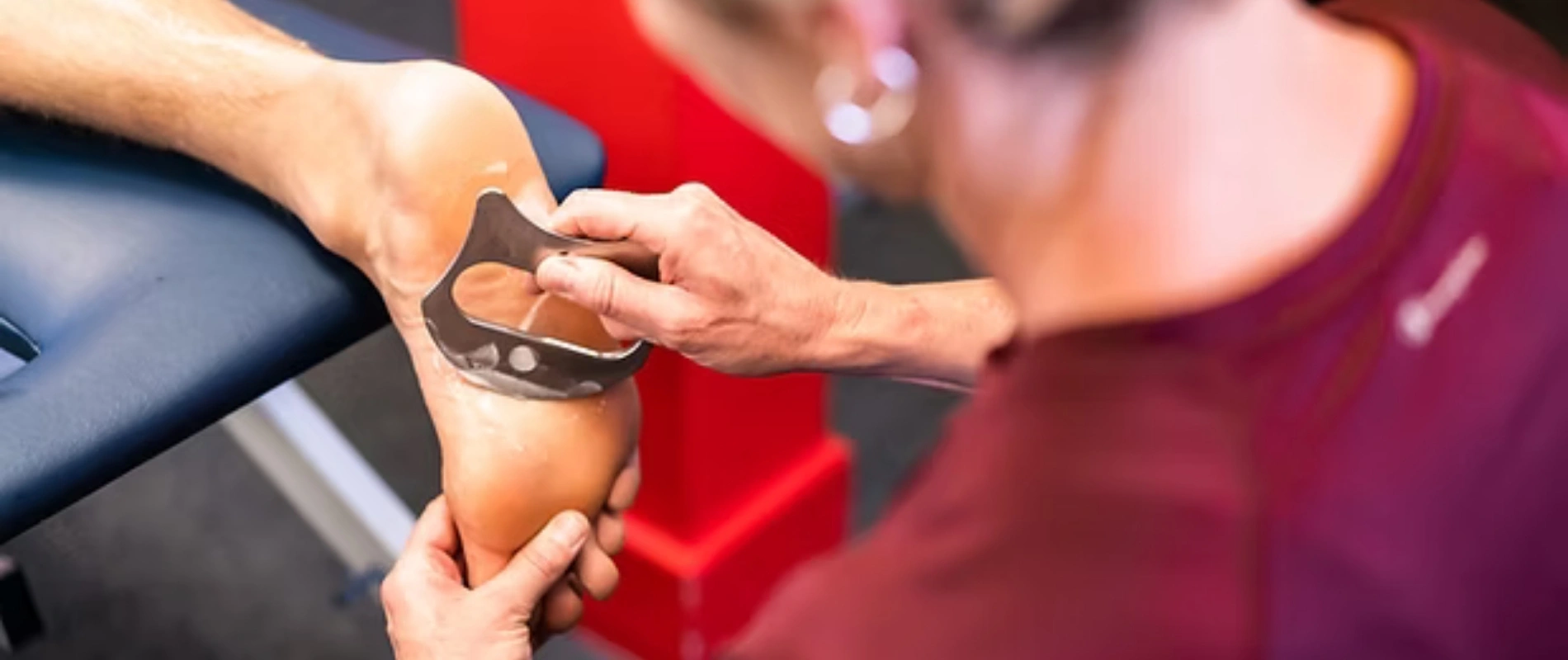 The tools find what hands can miss
What It Helps
Chronic soft-tissue pain rarely fixes itself. The longer scar tissue and adhesions sit, the more they bind the area down and limit motion.
What A Session Looks Like
1
We find the restriction by feel.
2
Instruments break down the scar tissue.
3
We load it so tissue glides again.
Why It Works
Finds the restriction, not just the sore spot.
Breaks down scar tissue and adhesions.
Built for chronic, months-old pain.
Restores glide and blood flow to heal.
Pairs Well With
Questions, Answered
You’ll feel the instruments glide with firm pressure, and the areas with scar tissue can feel tender or scratchy as we pass over them. That tenderness is the restriction we need to work on, and it eases as the tissue frees up. It stays mild and brief, we work in the range you can handle, and we explain each step before we start.
Yes. Some redness and mild tenderness over the area we treated is normal, and it usually fades within a day or two. That flush is fresh blood flow reaching tissue that had been stuck, which is part of how the area heals. We’ll tell you what to expect and how to care for it before you leave.
It depends on how long the restriction has been there and how your tissue responds, and many people notice a change within the first few visits. Most plans run a handful of sessions spaced across a few weeks so the tissue can glide and heal between visits. Want a clearer estimate for your case? Call us at (949) 388-5692.
Book Your Visit
Request a time and a real person calls you back, usually within two business hours. No phone tree. No ‘someone will reach out.’ Just a plan.
5.0 · 112+ Google reviews
Typical response: under 2 business hours
Step 1 of 5
That’s the hard part done. We’ll call during business hours to lock in your time. Most people are on the schedule same week.
Visit Us