
Weeks 1–2
Pain
Protect and calm it down.
Right after surgery, hands-on work and smart early movement control swelling and pain and protect the repair, starting as soon as you’re cleared.
What We Treat
The operation is scheduled, or already behind you. What happens next decides how well you come back. Prehab before, guided recovery after, one-on-one with a Doctor of Physical Therapy. It starts with a cause-first evaluation.
Sound Familiar?
Any of these? You’re the kind of person who does the work. Let’s make this the recovery you don’t have to redo.
Why It Happens
The operation fixes the structure. It doesn’t rebuild the strength, motion, and control you lose around it. And recovery almost never comes down to one thing. It’s usually some mix: muscles that shut down and weakened before and after the procedure. Joints and tissue that got stiff while you were protecting the area. Movement patterns that changed to avoid pain. And a plan that was never adjusted as you healed.
None of that fixes itself, and a generic handout rarely covers it. It takes a real, cause-first evaluation, before your operation when possible and right after when it’s not, to build recovery around your body and your goal. Rebuild the right things in the right order, and you come back stronger than a printout ever gets you.
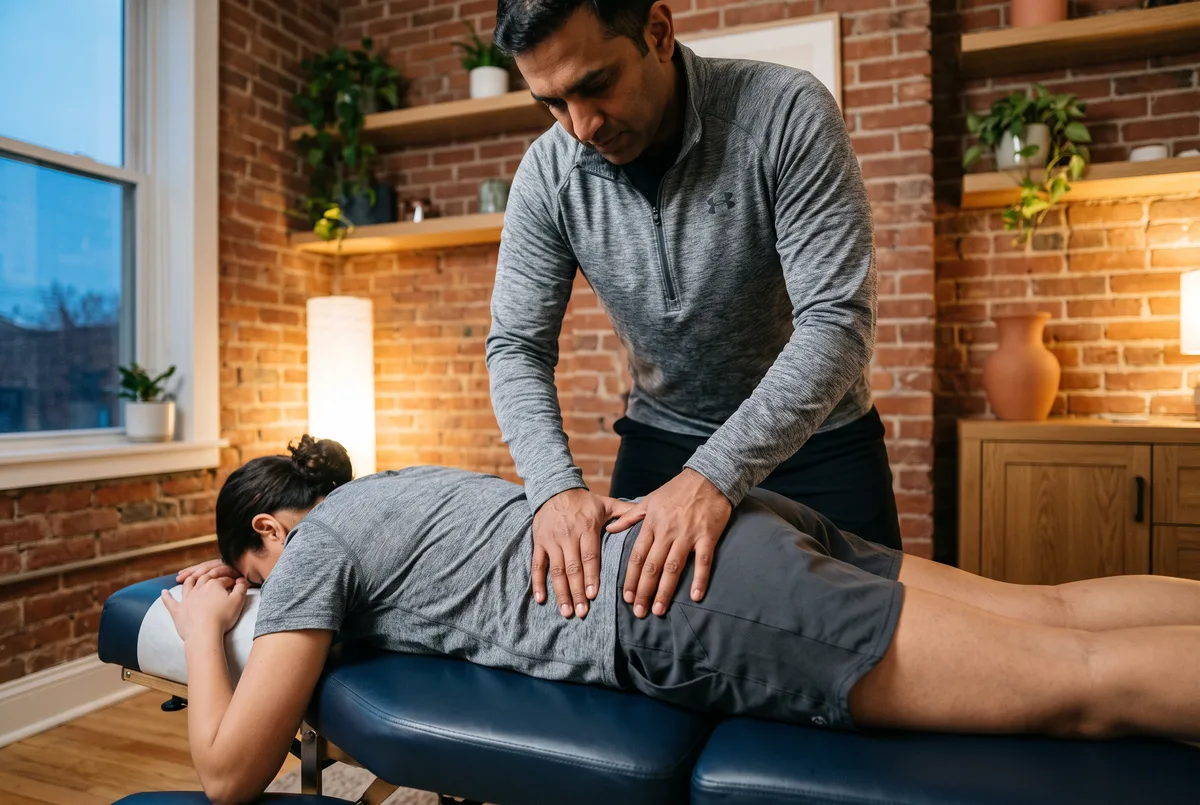
The Honest Truth
Nobody regrets starting too early. Every week, someone in our clinic says they regret waiting.
How We Fix It
Every plan has an endpoint. Here’s what the four phases look like before and after an operation.
Weeks 1–2
Pain
Right after surgery, hands-on work and smart early movement control swelling and pain and protect the repair, starting as soon as you’re cleared.
Weeks 2–6
Prime
Guided mobility work brings back the range you lost, at a pace that respects the healing tissue and hardware.
Weeks 6–10
Perform
Progressive strengthening rebuilds the muscle and control that shut down around the surgery, so the repair has support to trust.
Weeks 10+
Prevent
Your sport, work, or trail gets tested under real load before you’re cleared to go all-in: that’s the endpoint, not just another appointment.
DSC has provided me with a high level of care for my knee replacement recovery. Great communication and flexible. I always look forward to my sessions and I’m happy with my progress. They make knee surgery fun!
Shared by Carlos H. · Knee replacement
A knee replacement, unsure how the sessions would go
Happy with the progress, every visit
Questions, Answered
Often no. Going into an operation stronger, what we call prehab, tends to mean a faster, smoother recovery afterward. We build the muscle and motion around the area now, so you have more to work with later. If your surgery has already happened, we start as soon as your surgeon clears you. Either way, you get a cause-first evaluation and a plan with an endpoint from day one.
Yes, when it’s dosed correctly, and that’s the whole point of guided rehab. Moving the right amount at the right time is what rebuilds strength and prevents stiffness, while too much too soon or total rest both slow you down. A Doctor of Physical Therapy coordinates with your surgeon’s protocol and progresses you safely as the tissue heals, so you’re never guessing what’s okay.
It depends on the procedure, but most surgical recoveries run through all four phases, Pain, Prime, Perform, and Prevent, over roughly 8–12 weeks, sometimes longer for bigger operations. You’ll feel real progress in the first few weeks. Either way, you get a plan with an endpoint: you’ll always know which phase you’re in and what’s left, not an open-ended string of appointments.
Book Your Visit
Request a time and a real person calls you back, usually within two business hours. No phone tree. No ‘someone will reach out.’ Just a plan.
5.0 · 112+ Google reviews
Typical response: under 2 business hours
Step 1 of 5
That’s the hard part done. We’ll call during business hours to lock in your time. Most people are on the schedule same week.
Visit Us